Choosing the right solar power system is one of the most important steps when switching to solar energy. Not all solar systems work the same way. Depending on your electricity needs, budget, and location, you can choose between On-Grid, Off-Grid, and Hybrid solar power systems.
1. On-Grid Solar Power System
What Is an On-Grid System?
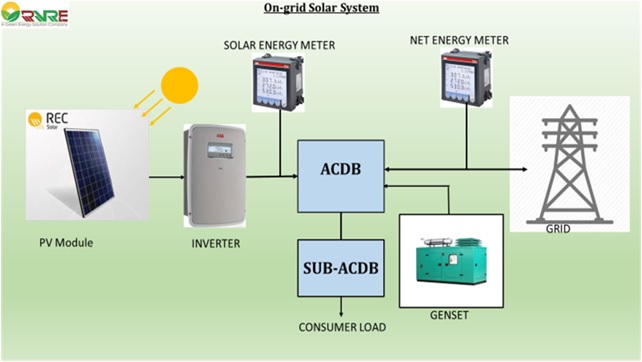
An on-grid solar system is connected directly to the national electricity grid. It produces solar power during the day and uses grid electricity when solar power is not available.
How It Works
Solar panels generate electricity
Inverter converts DC to AC
Power is used instantly
Extra electricity is sent to the grid via net metering
Advantages
Lowest installation cost
No batteries required
Reduces electricity bills
Net metering benefit
Limitations
Does not work during load shedding
Depends on grid availability
Best For
Urban homes
Offices and commercial buildings
Areas with stable grid electricity
2. Off-Grid Solar Power System
What Is an Off-Grid System?
An off-grid solar system operates independently from the national grid. It stores electricity in batteries for use at night or during power outages.
How It Works
Panels generate electricity
Batteries store energy
Inverter supplies power when needed
Advantages
Works during load shedding
No dependence on grid
Ideal for remote areas
Limitations
Higher initial cost
Battery replacement required
Limited power storage
Best For
Rural and remote locations
Areas without grid electricity
Places with frequent power cuts
3. Hybrid Solar Power System
What Is a Hybrid System?
A hybrid solar system combines the features of both on-grid and off-grid systems. It is connected to the grid and also uses batteries.
How It Works
Uses solar power first
Stores extra energy in batteries
Exports excess power to the grid
Uses grid power when needed
.
Advantages
Power during load shedding
Net metering support
Maximum energy flexibility
Limitations
Highest cost
More complex installation
Best For
Homes with frequent outages
Businesses needing uninterrupted power
Users wanting full control
Quick Comparison Table
Feature
On-Grid
Off-Grid
Hybrid
Grid Connection
Yes
No
Yes
Battery
No
Yes
Yes
Load Shedding Support
❌
✅
✅
Net Metering
✅
❌
✅
Cost
Low
Medium
High
Which Solar System Is Best for You?
Choose:
On-grid if you want to save money and have reliable grid power
Off-grid if you live in a remote area
Hybrid if you want both savings and backup power
Consult a professional solar provider for proper system sizing.
Conclusion
Understanding the types of solar power systems helps you invest wisely. Each system has its own advantages and is designed for different needs. Choosing the right one ensures better performance, savings, and reliability.
Solar energy is not just a trend—it’s the future of power.