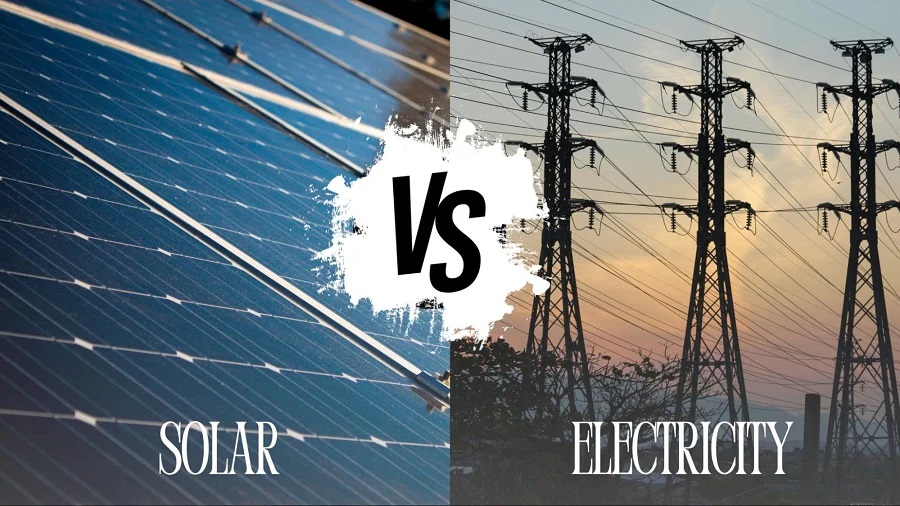
With rising electricity tariffs and frequent power shortages, many homeowners and businesses are now comparing solar energy vs traditional electricity. While grid electricity may seem cheaper at first, solar energy offers significant long-term savings and financial stability.
This blog provides a clear cost comparison and long-term savings analysis to help you make the right decision.
Initial Cost Comparison
Grid Electricity
Low or no installation cost
Monthly electricity bills continue forever
Tariff increases over time
Solar Energy
Higher initial installation cost
Minimal monthly expenses
Long-term free electricity.Solar energy requires an upfront investment, but grid electricity demands ongoing payments.
Monthly Electricity Cost
Grid Electricity
Monthly bills based on usage
Increasing per-unit cost
Extra charges during peak hours
Solar Energy
Free electricity from sunlight
Zero or very low monthly bills
Protection from future price hikes
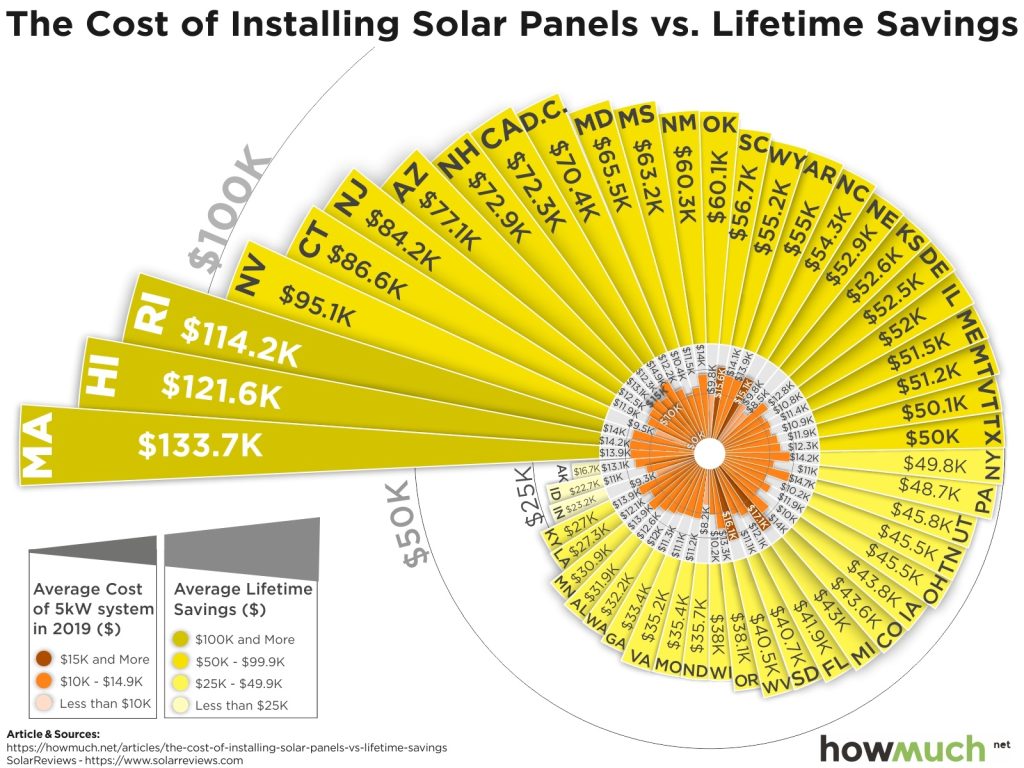
Over time, solar users save significantly on monthly expenses.
Long-Term Cost Comparison (10–25 Years)
Factor
Grid Electricity
Solar Energy
Monthly Bills
Continuous
Almost zero
Price Increases
Yes
No
Maintenance Cost
Low
Very low
Power Backup Cost
Extra
Included (battery)
Total Cost Over 20 Years
Very High
Much Lower
Maintenance & Replacement Costs
Grid Electricity
No control over tariff or supply
Generator fuel and repair costs
Solar Energy
Minimal maintenance
Panel lifespan: 20–25 years
Battery replacement after several years
Even with battery replacement, solar remains cost-effective.
Cost During Load Shedding
Grid Electricity
No power during outages
Requires generator or UPS
Fuel and maintenance costs
Solar Energy
Power available with battery backup
No fuel required
Automatic operation
Solar energy saves both money and inconvenience during outages.
Environmental Cost
Grid Electricity
Often generated from fossil fuels
Carbon emissions and pollution
Solar Energy
Clean and renewable
No emissions
Eco-friendly solution
Environmental savings add long-term value beyond money.
Return on Investment (ROI)
Most solar systems recover their cost within:
3–5 years for on-grid systems
4–7 years for hybrid/off-grid systems
After ROI, electricity becomes almost free for the remaining lifespan.
Which Is the Better Investment?
Solar energy is the better choice if you:
Want long-term savings
Face frequent load shedding
Want energy independence
Care about environmental impact
Grid electricity may be convenient, but it is not cost-stable.
Conclusion
While grid electricity may appear cheaper initially, solar energy clearly wins in the long run. With lower lifetime costs, protection from rising tariffs, and reliable backup power, solar energy is a smart financial and sustainable investment.
Choosing solar today means saving money, gaining independence, and securing a cleaner future.