Bangladesh is facing increasing demand for electricity due to rapid population growth, urbanization, and industrial development. At the same time, load shedding and rising power costs remain major concerns. In this situation, solar power in Bangladesh has emerged as a promising and sustainable energy solution.
This blog explores the opportunities, challenges, and future prospects of solar energy in Bangladesh.
Current Solar Power Scenario in Bangladesh
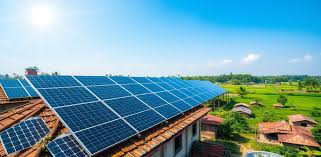
Bangladesh receives abundant sunlight throughout the year, making it ideal for solar energy generation. The government and private sector have already taken several initiatives to promote renewable energy.Some key developments include:Solar Home Systems (SHS) in rural areasRooftop solar projects in urban buildingsSolar irrigation systems in agricultureNet metering policy for on-grid solar.Solar energy is now contributing to both off-grid and grid-connected electricity supply.
Challenges of Solar Power in Bangladesh
1. High Initial Investment
The upfront cost of solar panels, inverters, and batteries can be a barrier for many consumers.
2. Limited Space
Urban areas often lack sufficient rooftop space for large solar installations.
3. Battery Limitations
Battery lifespan and replacement cost remain a concern, especially for off-grid systems.
4. Technical Knowledge & Skilled Workforce
There is still a shortage of trained technicians and proper maintenance awareness.
5. Weather & Dust Issues
Heavy dust, rain, and seasonal weather can reduce panel efficiency if not cleaned and maintained properly.
Opportunities of Solar Power in Bangladesh
1. Abundant Sunlight
Bangladesh receives 4–6 hours of peak sunlight daily, which is sufficient for efficient solar power generation all year round.
2. Reducing Load Shedding
Solar systems provide reliable backup power during outages, especially hybrid and off-grid systems.
3. Lower Electricity Costs
By installing solar panels, households and businesses can significantly reduce monthly electricity bills.
4. Rural Electrification
Solar power is ideal for remote and rural areas where grid electricity is limited or unavailable.
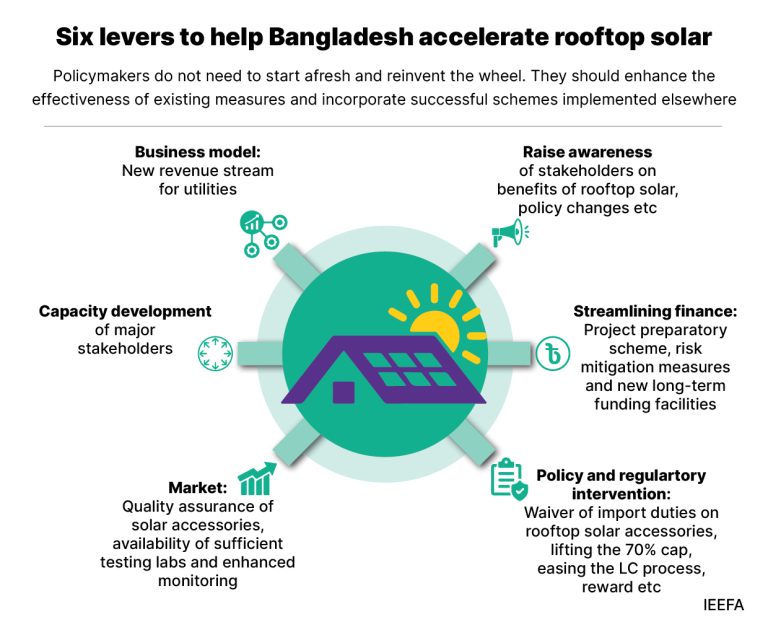
5. Government Support & Policies
Initiatives such as:
Net Metering Guidelines
Renewable energy targets
Incentives for solar projects
are encouraging more people to adopt solar solutions.
6. Environmental Benefits
Solar power reduces carbon emissions, air pollution, and dependence on fossil fuels, helping Bangladesh fight climate change.
Future of Solar Power in Bangladesh
The future of solar energy in Bangladesh looks bright and promising.
Key future trends include:
Expansion of rooftop solar in cities
Increased use of net metering systems
Growth of solar-powered industries
Adoption of lithium battery technology
Government focus on renewable energy targets
With falling technology costs and increasing awareness, solar power adoption is expected to grow rapidly.
Role of Businesses & Individuals
Both businesses and individuals can play a major role by:
Installing rooftop solar systems
Investing in solar-powered equipment
Supporting clean energy initiatives
This collective effort will help build a sustainable energy future.
Conclusion
Solar power offers a practical and long-term solution to Bangladesh’s energy challenges. Despite some limitations, the opportunities and future potential of solar energy far outweigh the challenges.
By embracing solar power today, Bangladesh can move towards energy independence, economic growth, and environmental sustainability.