Solar energy is one of the cleanest and most reliable renewable energy sources available today. But many people still ask: How does sunlight turn into electricity that powers our homes and businesses?
In this blog, we explain how solar energy works step by step in simple language.
What Is Solar Energy?
Solar energy is the energy produced by the sun. Solar panels capture this energy and convert it into usable electricity through advanced but easy-to-understand technology.
It is:
Renewable
Environment-friendly
Cost-effective over time
Step-by-Step: How Solar Energy Works
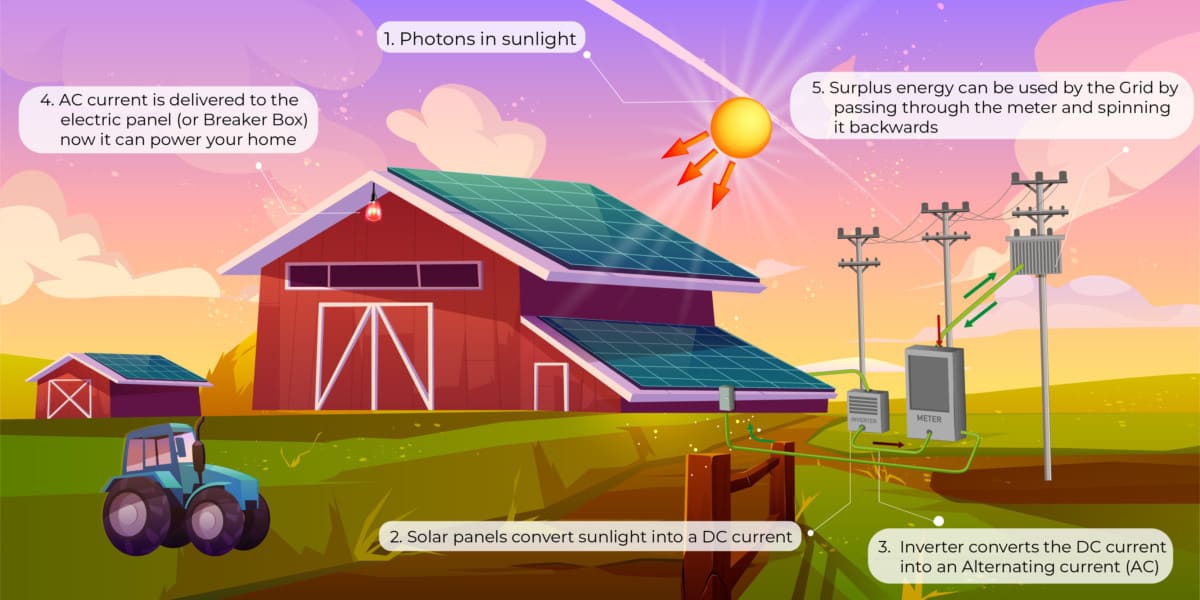
Step 1: Sunlight Hits the Solar Panels
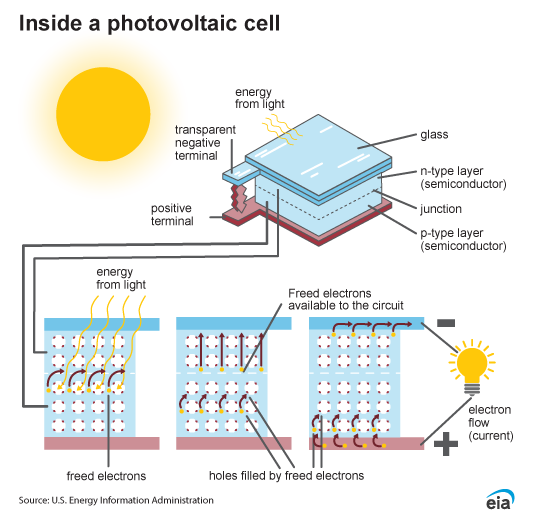
Solar panels are made of photovoltaic (PV) cells. When sunlight falls on these cells, it energizes electrons inside the panel.
Step 2: Electricity Is Generated (DC Power)
The movement of electrons creates Direct Current (DC) electricity. This is the first form of electrical energy produced by solar panels.
Step 3: Inverter Converts DC to AC
Homes and businesses use Alternating Current (AC) electricity. The solar inverter converts DC power into AC power so it can be used safely.
Step 4: Electricity Powers Your Appliances
The converted AC electricity flows through your electrical panel and powers lights, fans, computers, machines, and other appliances.
Step 5: Extra Energy Is Stored or Sent to the Grid
In battery-based systems, excess energy is stored for later use
In on-grid systems, extra power is exported to the national grid through net metering
At night or during low sunlight, stored or grid electricity is used.
What Happens at Night or During Load Shedding?
Solar panels do not generate electricity at night
Off-grid and hybrid systems use battery backup
On-grid systems stop during outages for safety
This makes battery backup important in areas with frequent power cuts.
Does Solar Energy Work on Cloudy Days?
Yes, solar panels still work on cloudy days, but at reduced efficiency. Modern panels are designed to generate power even in low-light conditions.
Advantages of Solar Energy
🌞 Free energy from the sun
💡 Lower electricity bills
🔋 Reliable backup power
🌱 Clean and pollution-free
💰 Long-term financial savings
Efficiency and Lifespan of Solar Systems
Average lifespan: 20–25 years
Low performance loss over time
Minimal maintenance required
With proper care, solar systems remain highly productive for decades.
Conclusion
Solar energy works by converting sunlight into electricity using solar panels, inverters, and storage systems. This clean and renewable energy source provides reliable power, financial savings, and environmental benefits.
Understanding how solar energy works is the first step toward adopting a smarter and greener energy solution.