With rising electricity costs and frequent load shedding, many homeowners and businesses are now turning to solar energy. If you are new to solar power, you may wonder: What is a solar power system and how does it work?
This beginner-friendly guide explains everything in simple language to help you understand solar power systems clearly.
What Is a Solar Power System?
A solar power system is a technology that converts sunlight into electricity using solar panels. This electricity can be used to power homes, offices, shops, factories, and other facilities.
Solar power is:
Renewable and sustainable
Environment-friendly
Cost-effective in the long term
Once installed, a solar power system can significantly reduce or even eliminate your electricity bills.
Main Components of a Solar Power System
A complete solar power system includes the following key components:
1. Solar Panels
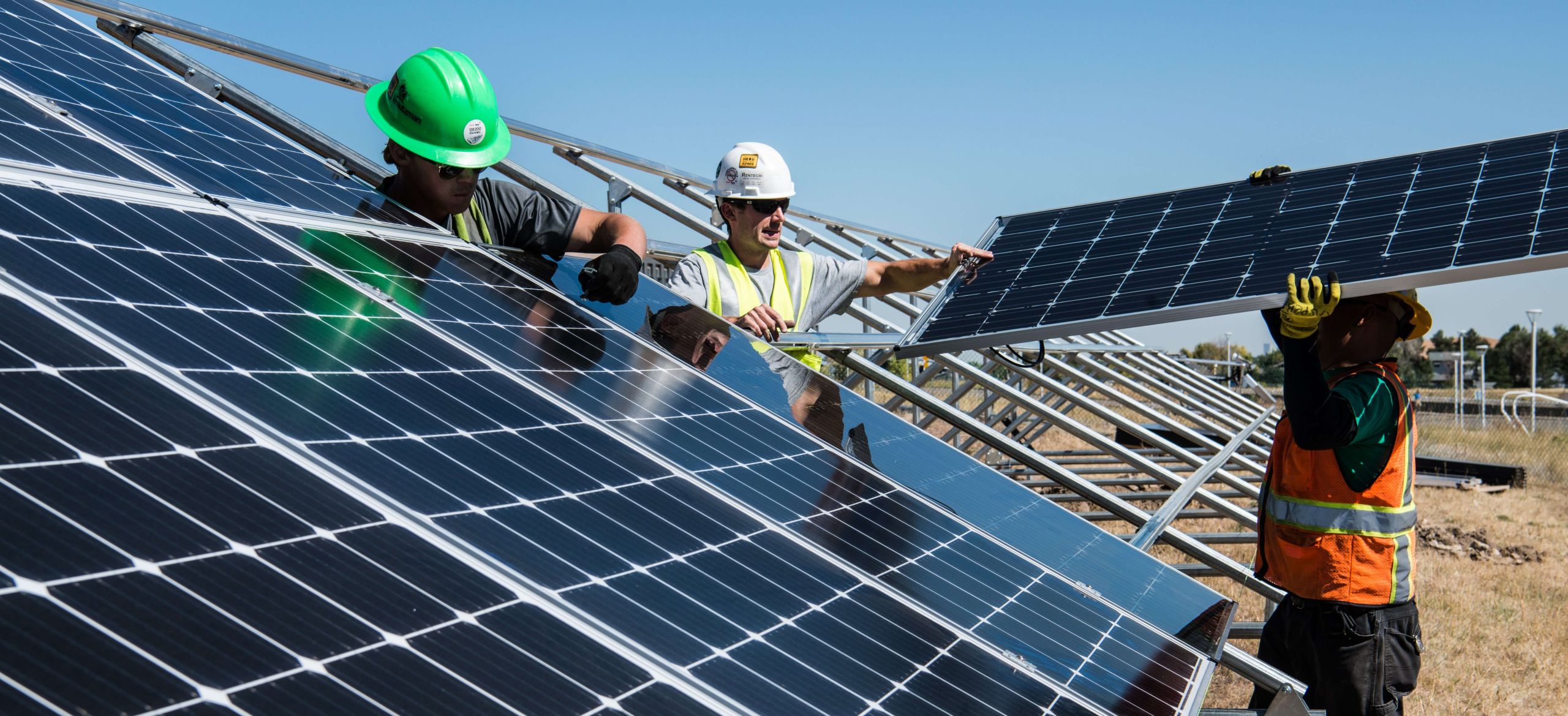
Solar panels absorb sunlight and convert it into direct current (DC) electricity. They are usually installed on rooftops or open areas where sunlight is maximum.
2. Solar Inverter
The inverter converts DC electricity into alternating current (AC), which is used by most household and commercial appliances.
3. Battery (Optional)
Batteries store excess electricity for use at night or during power outages. This is especially important in areas with frequent load shedding.
4. Charge Controller
This device protects batteries from overcharging and deep discharging, ensuring longer battery life.
5. Mounting Structure & Wiring
Mounting structures hold the panels securely, while cables safely transmit electricity throughout the system.
How Does a Solar Power System Work?
The working process is simple:
Solar panels capture sunlight
DC electricity is produced
Inverter converts DC to AC
Electricity powers your appliances
Extra power is stored or exported to the grid
Types of Solar Power Systems
On-Grid Solar System
Connected to the national grid
No batteries required
Lower cost
Stops during load shedding
Off-Grid Solar System
Works independently
Uses batteries
Ideal for rural or remote areas
Provides backup power
Hybrid Solar System
Connected to grid and batteries
Backup during outages
Supports net metering
Higher initial cost
Benefits of Installing a Solar Power System
🌞 Free energy from sunlight
💰 Reduced electricity bills
🔋 Power backup during outages
🌱 Clean and green energy
🏠 Increases property value
Is a Solar Power System Right for You?
Solar power is ideal if you:
Experience frequent load shedding
Want long-term energy savings
Have sufficient rooftop space
Care about environmental protection
Both residential and commercial users can benefit from solar systems.
Conclusion
A solar power system is a smart investment for a sustainable future. Understanding the basics helps you choose the right system based on your needs and budget.
Switching to solar power means saving money, gaining energy independence, and contributing to a cleaner environment.